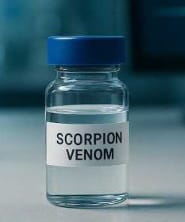
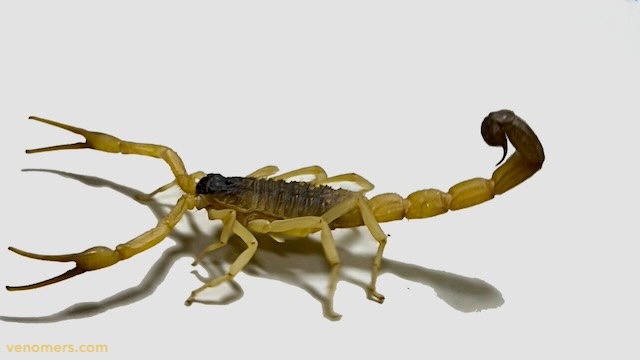
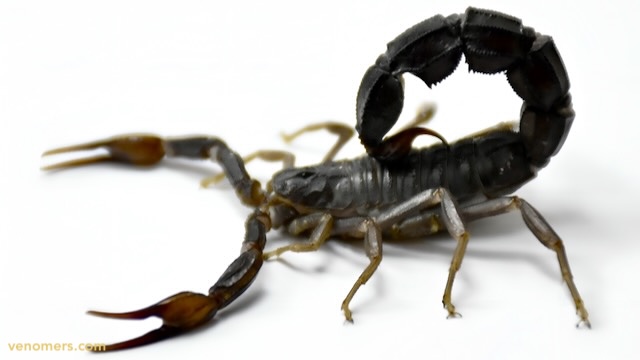
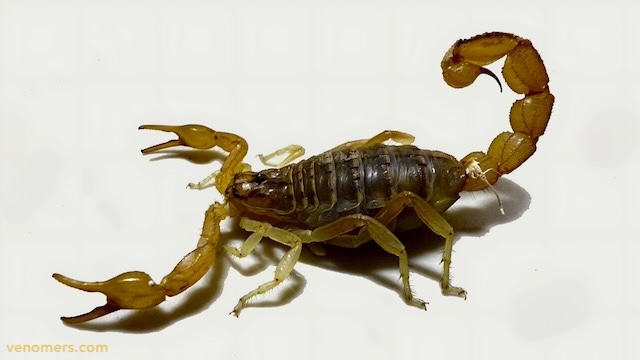
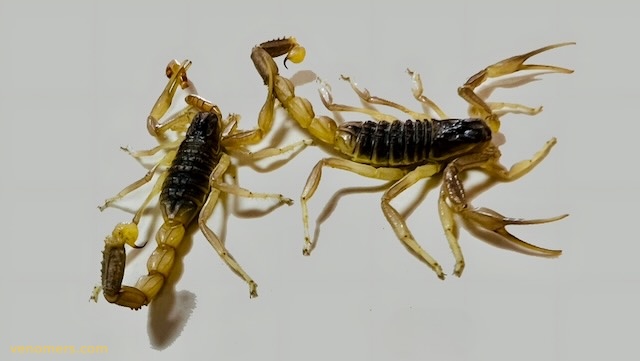
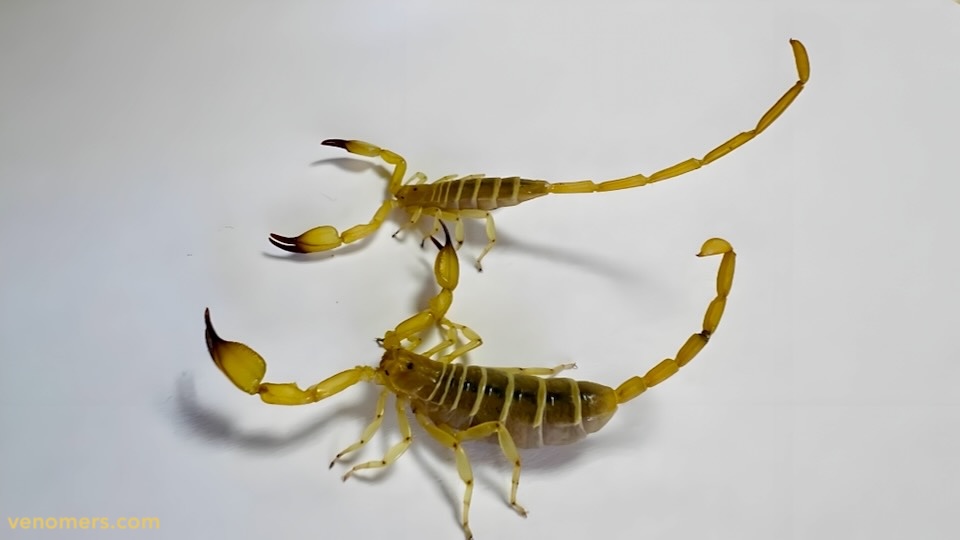
Analysis of scorpion venom of Mesobuthus eupeus, Androctunus crassicauda and Odontobuthus doriae was performed using high performance chromatography (HPLC) and total protein examination of Mesobuthus eupeus scorpion was performed using Kjedal method.
Focus Areas
Oncology
Venom-derived peptides (e.g., Na+ channel modulators including OD1-like; α-KTx Kv blockers such as ODK1/ODK2; CRISP family; enzymatic components like hyaluronidase fragments) are being evaluated for anti-tumor mechanisms (apoptosis, invasion/migration, S-phase arrest, anti-angiogenesis) with orthogonal analytics (LC-MS(/MS), HPLC-PDA, Tricine SDS-PAGE, Raman).
- Key peptides: OD1, ODK1 (α-KTx 8.5), ODK2, Na+-channel toxin family (<10 kDa), CRISP
- Models: in vitro / ex vivo / in vivo
- Related species: A. crassicauda, O. doriae, M. eupeus
Pain & Ion Channels
- Targets: Nav (esp. Nav1.7), Kv1.2, Kv1.3
- Peptides: OD1 (Nav), ODK1 (α-KTx 8.5; Kv1.2), ODK2 (Kv1.3), OD1-like Na+-channel toxins (<10 kDa)
- Species link: O. doriae (HPLC: 86 peaks; SDS-PAGE: <10 kDa predominant)
Antimicrobial
Discovery and optimization of short, cationic peptide candidates (<10 kDa) enriched in our venom fractions (shown by Tricine SDS-PAGE and MALDI/LC-MS) against priority pathogens. Fractions are generated by HPLC-PDA and tracked with run metadata; activity is benchmarked with MIC and time-kill workflows, with biofilm assays where applicable.
- AMP candidates: low-MW cationic fractions (HPLC-isolated; IDs pending) from Mesobuthus eupeus / Hottentotta saulcyi
- Assays: MIC (CLSI-style), time-kill; biofilm (planned/ongoing)
- Species link: M. eupeus (SDS-PAGE: peptides predominantly <4 kDa; HPLC: multi-peak profile)
Anti-angiogenesis
Screening of low–molecular-weight venom peptide fractions (<10 kDa; OD1-like Na+-channel toxins and α-KTx Kv blockers) for anti-angiogenic effects in endothelial assays. Fractions are isolated by HPLC-PDA and tracked by Raman and LC-MS(/MS); pathway mapping and combination strategies are under evaluation.
- Lead: OD1-like / α-KTx-enriched fractions (<10 kDa) — validation ongoing
- Readouts: tube formation (HUVEC), CAM; xenografts (planned/ongoing)
- Species link: H. saulcyi
Scorpion Oil
Preclinical evaluation and pharmacological profiling of scorpion oil for potential research applications. Current standardized material: GAZHDIN (50% olive oil [CAS 8001-25-0] + 50% scorpion oil), characterized as light-yellow, odorless, non-flammable (flash point 200 °C), vapor pressure <0.5 Pa @ 20 °C; store tightly closed below 24 °C; not classified as dangerous for air/land/sea transport (per MSDS). Compositional screens emphasize fatty acids/esters/sterols (e.g., oleic acid, ethyl oleate, ethyl palmitate, cholesterol) by GC-MS.
- Profiling: compositional (GC-MS lipid/sterol panel; Raman as needed) & functional (exploratory in vitro assays; no clinical claims)
- Roadmap: formulation & delivery (preformulation/stability ≤24 °C, QA/QC documentation, transport compliance; non-flammable handling per MSDS)
- Analytical support — MSDS, GC-MS, HPLC-PDA (fraction tracking), Raman; batch-level certificates and versioned PDFs
Immunomodulation
Kv-targeting venom peptides are explored for T-cell modulation and autoimmune research. Emphasis on α-KTx short-chain blockers (<10 kDa) with activity on Kv1.3 (e.g., ODK2) and Kv1.2 (ODK1). Fractions are resolved by HPLC-PDA and characterized by MALDI/LC-MS; functional assays include patch-clamp, Ca2+ flux, and cytokine readouts.
- Targets: Kv1.3 (effector memory T cells), Kv1.2 (neuronal/immune)
- Peptides: ODK2 (Kv1.3), ODK1 (α-KTx 8.5), α-KTx family (<10 kDa)
- Species link: O. doriae


Reviews
There are no reviews yet.